As a kid, I noticed my parents mostly used a bread knife to slice bread. But one day, they used it to cut vegetables and fruits. I was a bit shocked because I thought it was only for bread due to its name. As a curious kid, I asked my mom the reason behind it, and she explained that it can be used for various purposes and showed me some examples as well.
Many people assume “bread knife” is only for slicing bread, and I can’t blame them due to its design and name. In this post, I’ll quickly share the common uses of this knife to make the most of it.
What Is a Bread Knife & Its Uses?
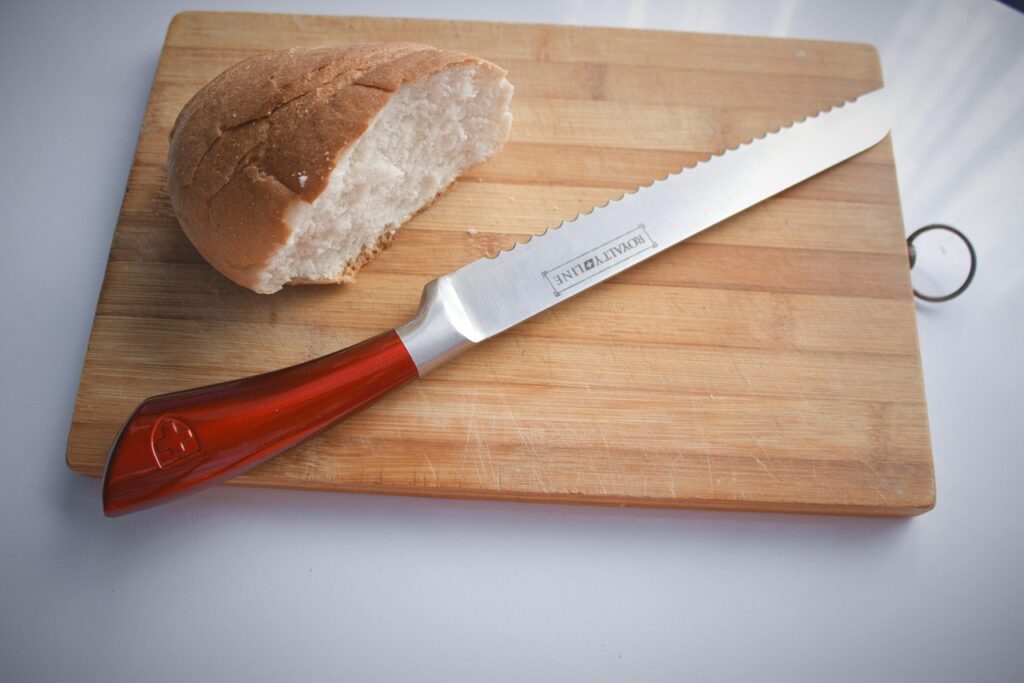
This knife features a serrated cutting edge with a blade length ranging from 7 to 15 inches. These blades are usually used for cutting bread, crusty loaves, rolls, bagels, etc.

You can use this knife to slice all kinds of bread, from Baguette to Sourdough.
With its serrated blade, you can also use it for cutting cake, fruits/ vegetables, raw meat, sweets, biscuits, sushi rolls, etc.
Japan is known for producing specialized bread knives. It is known as “Pankiri” in Japanese. I use it to cut many things other than bread, such as loaves and pastries, without tearing them and preserving their textures.
How to Use it?
- Put the food (bread, meat, fruit, etc.) in the place where you want to slice it and hold it in one hand.
- Keep your fingers out of the way.
- Move the knife back and forth and do not push the knife downwards. The serrations will do the job for you.
If you are a beginner, it might take a while for you to properly slice the food with this knife. After some trials, you’ll get used to it.
Try to get a knife with wider, scalloped serrations. This will help you create fewer crumbs while slicing.
Most of these knives are made out of stainless steel. If you are planning to get one, I recommend you get the Shun Classic Bread Knife made with the same steel. I’ve owned this knife for the past few years, and they are pretty easy to sharpen.
Using this Knife for Bread
When cutting bread, make sure the knife is in a vertical position to ensure all slices have uniform thickness.
Try to use the sharpened bread knife to get better results.
Due to the serrated cutting edge, the sharpness remains in the knife for a long time compared to a straight blade.
Using the knife for Fruits and Vegetables
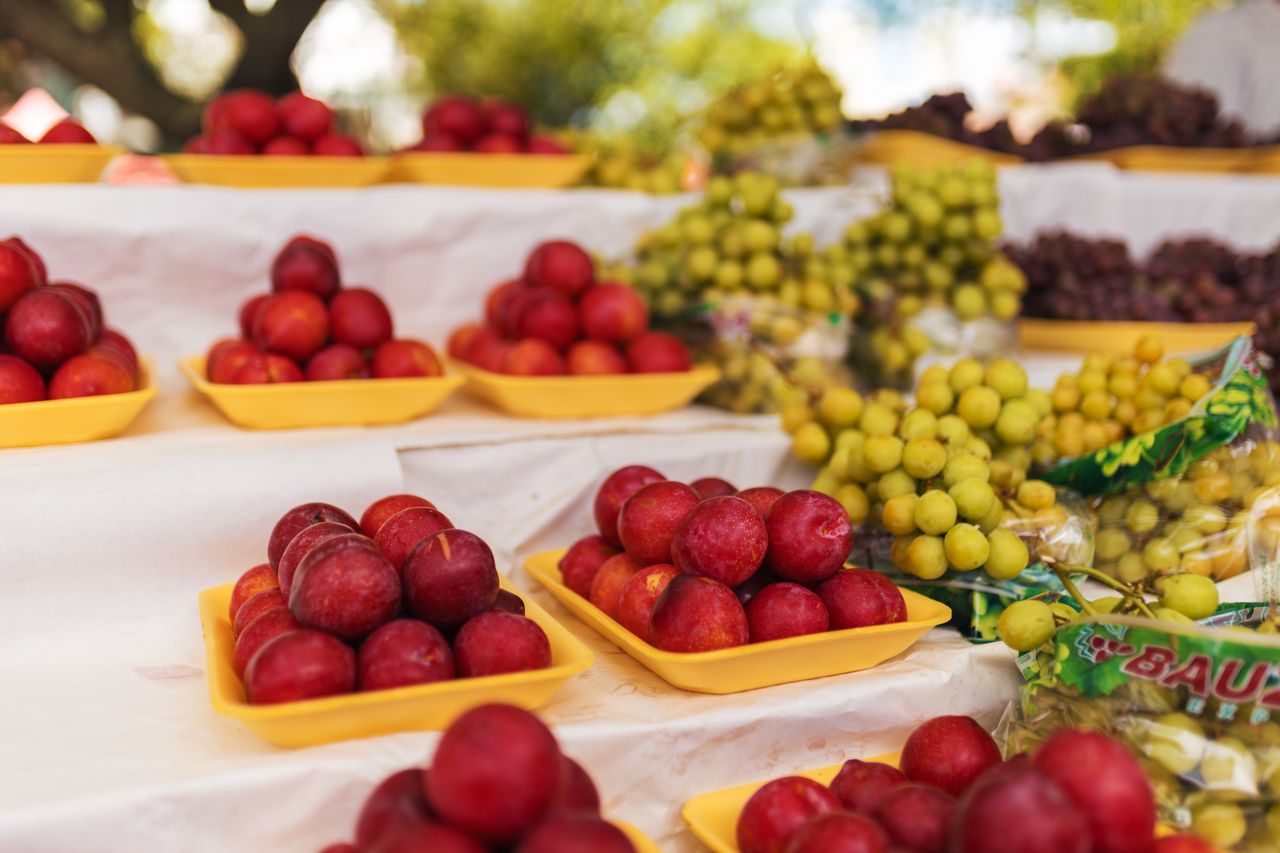
This knife can cut anything without downward pressure. You can take advantage of this trait to cut delicate foods as well as firm and tough foods. It is one of my preferred knives in my kitchen for these items.
Using this Knife for Meat
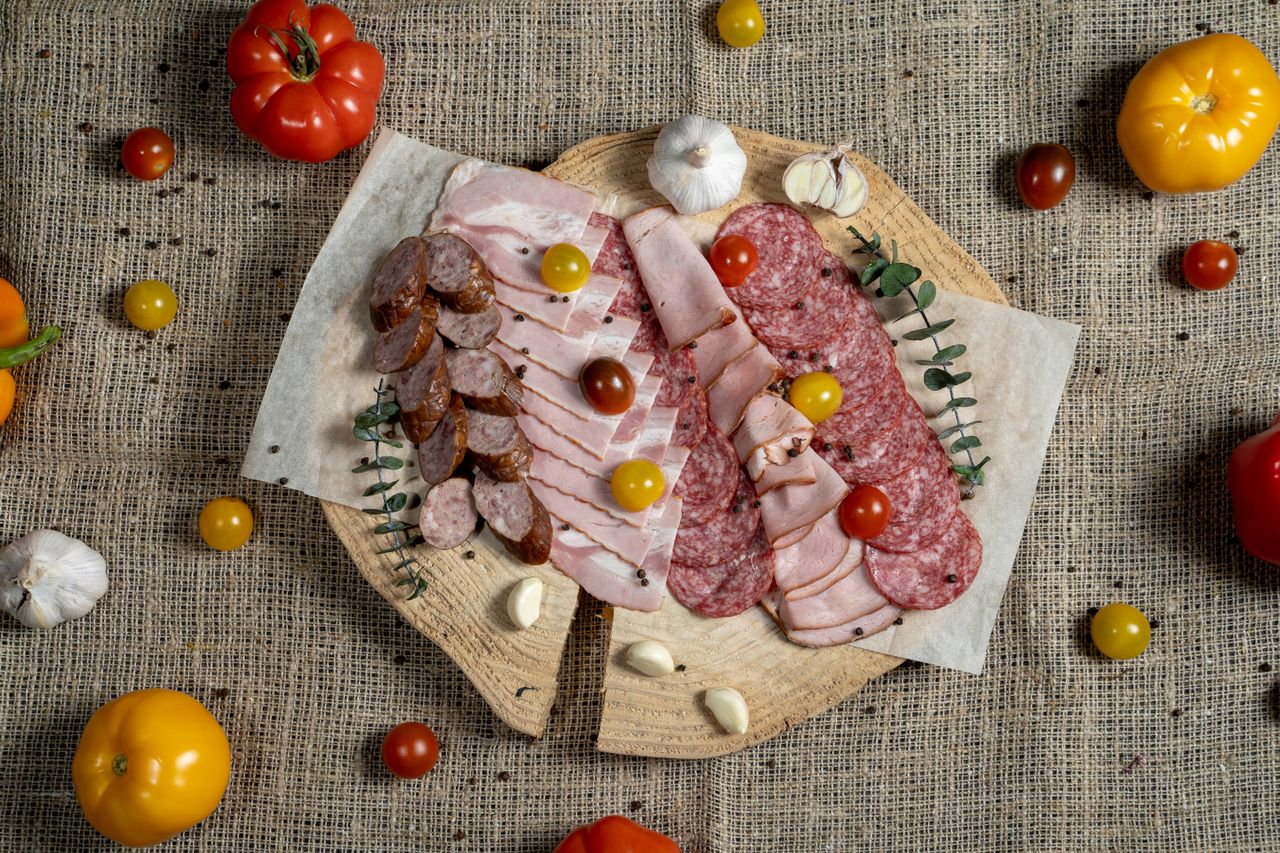
The long blade with a serrated edge can easily slice the thick-crusted roasts while retaining flavorful juices. If you have a large roast, you can effortlessly cut it with this knife.
I have separate knives for game processing and cutting, but I use this knife to slice meat in my home kitchen and fire station as well.
Can You Sharpen a Bread Knife?
Yes, sharpening this knife is possible; however, you’ll need a specific sharpener and a good amount of time because of the serrations. Either you can hire a professional to do the job or get the right sharpener and spend some time doing it yourself.
I own Chef’sChoice 15XV to sharpen a serrated knife for the last few years, and I’m more than satisfied with it.
Some brands have strict guidelines on sharpening it on your own, as it’ll void your warranty. Just double-check that before you start the process.
How do you sharpen it?
I’ll take the example of my sharpener and share the tips accordingly. Options in other models may vary slightly.
1. Most serrated knives come with a bevel edge (angled edge) on one side, and the other side is flat. You need to identify the bevel side.
2. Place the knife in “stage 3”, which is built to sharpen serrated blades. The space between two teeth in a serrated knife is called a gullet. You have to place the knife in the sharpening rod in each gullet
3. You need to move it back and forth 4-5 times along the beveled edge of the knife.
4. After sharpening the beveled side, the burrs may have formed on the non-beveled side. You have to slowly remove them by moving that side of the knife on the sharpening rod 4-5 times.
Watch this video if you have any doubts.
FAQs
1. When should you use a serrated knife?
You should use it to slice hard foods like bread, baked goods, fruits, vegetables, and meat.
2. What are the disadvantages of serrated blades?
There are two major downsides to this blade. It can easily cause fraying while cutting fabric items, and sharpening it isn’t an easy task. This blade requires specialized rods to sharpen or a trained professional to do this task.
3. What type of knife is best for cutting bread?
A long and serrated bread knife is best for cutting bread.
4. What is another name for a bread knife?
It is also known as a serrated knife.
5. How to identify a bread knife?
A bread knife will have a long and thin blade with serrations.
6. Are expensive bread knives worth it?
Yes, they are worth spending on. If you are a regular user; however, if you use it once in a while, going for an affordable chef knife would be better.
The major differences in the expensive models are: high-quality steel and ergonomics.
7. What is the difference between a bread knife and a regular knife?
Regular knives feature a flat edge, and you can use them with a push or pull motion. Bread knives come with a serrated blade that requires a sawing motion to operate.
8. Is a bread knife necessary?
You don’t necessarily need to have it in your kitchen; however, it is highly recommended to have it to slice hard foods like bread.
My Personal Take on a serrated knife:
I’ve always loved serrated knives since I got to know about them as a teenager. Even before I started actively working in the kitchen at work, I’ve used it to cut bread and other ingredients in our home.
Before you plan to buy this knife, just ask yourself if you actually need it or else, it’ll just be another knife sitting idle in your kitchen.
In case I have missed anything, do let me know in the comments, and I’ll add it to the post. Cheers.