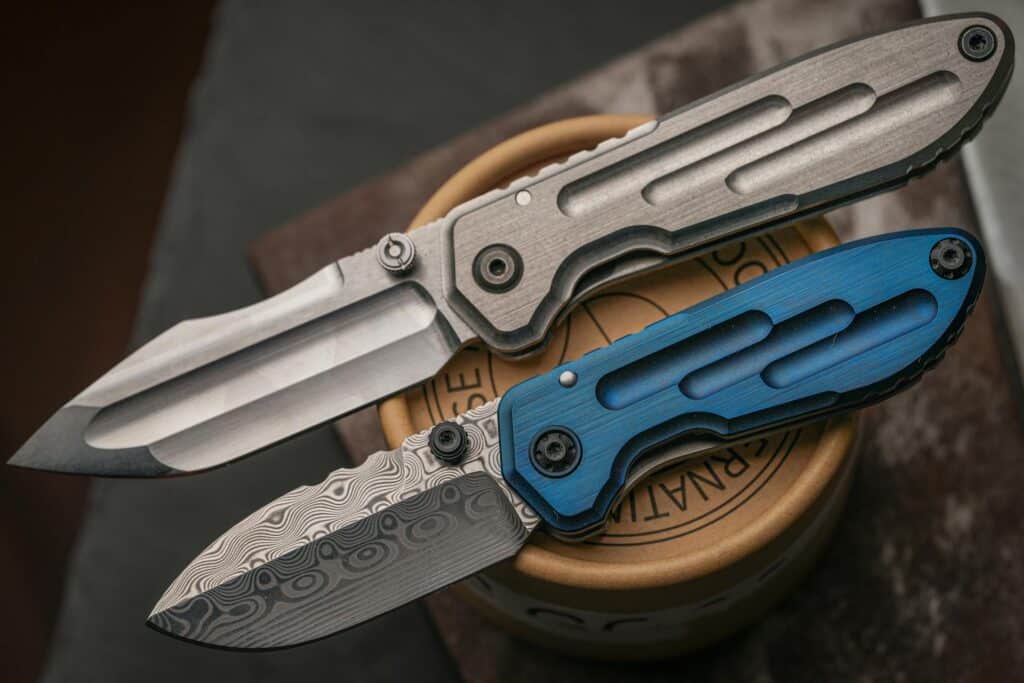
An EDC knife is a pocket-friendly blade I carry with myself while going hunting for skinning, caping etc or use it as a rescue tool while firefighting. I wasn’t familiar with it when I was starting out my hunting journey with my dad but I’ve always seen him carrying one. I inquired about him and that’s when I understood the importance of this blade and started using it regularly for various tasks.
This is a common term when people want to know about knives. If you have come across it, I’m going to share what this knife is about and how it can help you.
What exactly is an EDC Knife?
EDC stands for Everyday Carry. It is a compact and portable and fixed blade knife built to perform tasks like opening delivery packages, cutting or slicing vegetable/ fruits, DIY fixes etc.
Along with flashlight, phones, GPS, compass, water bottle, an EDC blade is a must-have item in my kit. It allows me to do tiny tasks and sometimes, acts as a survival tool in emergencies.
There are various types of an EDC blade and they are:
1. Foldable
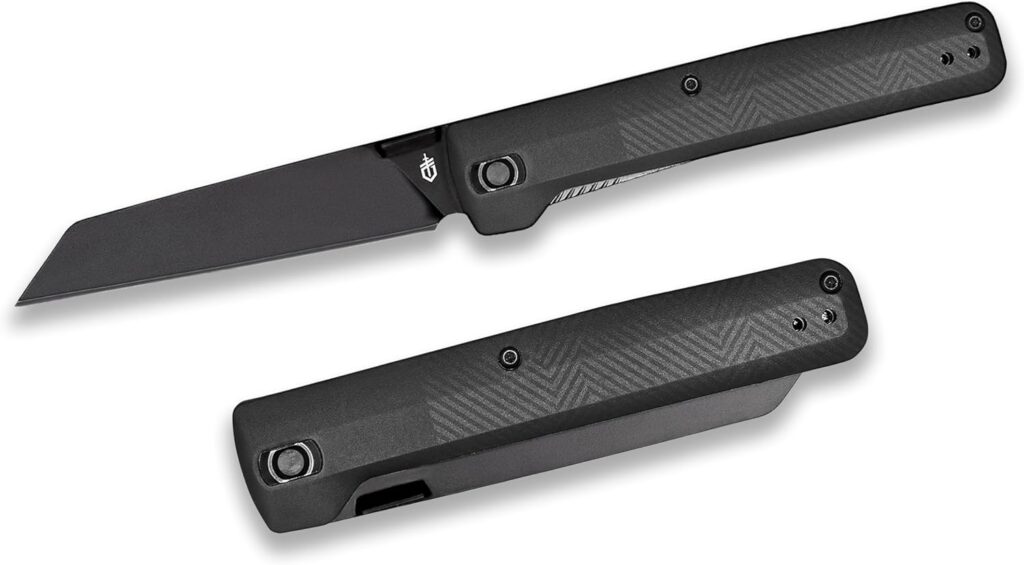
It comes with high-quality materials, an advanced locking system, and is easy to use. Due to its lightweight profile,it is easily portable. For everyday tasks in indoor conditions and less-demanding tasks, you’ll not face any issues with it.
My Spyderco Tenacious is a perfect example for an EDC folder which weights 0.23 lbs. I’ve carried this blade for more than 3 years now and used it to cut seat belts in emergencies, skinning some games while hunting and it hasn’t let go down.
2. Fixed-blade
These blades have no moving mechanism and are straightforward to use. Fixed blades are common among knife enthusiasts mainly for hunters, survivalists and campers because of its high-wear resistance in outdoor conditions.
One of my favorite fixed-blade EDC is the CIVIVI Tamashi. It comes with a 4-inch fixed blade made out of D2 steel and weighs about 0.28 lbs.
3. Keychain knives
You can carry this knife using a sheath, pocket clip or a keychain. The purpose of this knife is to help you in everyday tasks however, they are smaller in size that ranges from 2 to 4 inches.
I own this model; KeyUnity KK06 and to be honest, I rarely use it because I’m more of a kitchen and hunting knives guy. I’ve occasionally used it and found it to be useful for some small indoor tasks like cutting some unwanted grass in the lawn, cutting paper etc.
4. Multi-tool
Along with an EDC blade, it contains various tools such as needle-nose pliers, wire cutters etc. It is extremely useful when you are outdoors and can act as a survival tool to protect yourself from any dangers.
Whenever I go deep into the forest for hunting, I carry my Leatherman Free T4 as it comes with serrated blade, straight blade, spring-action scissors, regular pliers etc and use it for survival during emergency situations.
Still have some doubts? Watch this video and you’ll get to know more about this knife.
How helpful are EDC pocket Knives in Everyday Life?
Here are the things you can do with pocket knives:
- Open packages: Easily open the delivery packages on-the-go.
- Outdoor activities: A perfect tool to carry while camping, hunting, fishing, trekking etc.
- Gardening: Easily cut fruits from the trees, open the seed packets, and prune plants.
- DIY and Crafting: It helps you when crafting a new tool and fixing anything at home.
Size & weight
1. Small EDC knives:
A knife with blade length between 2 to 3 inches is considered a small-sized EDC. They are small and can be used for less demanding tasks such as opening an envelope and cutting boxes. It isn’t recommended to perform any heavy work with it because it may break anytime causing injury to you or anyone nearby.
The average weight of these knives are between 0.15 lbs to 0.25 lbs.
The length of this blade is 1.75-inches and I use it to process small games like Rock Ptarmigan and some general everyday tasks occasionally.
2. Medium EDC knives:
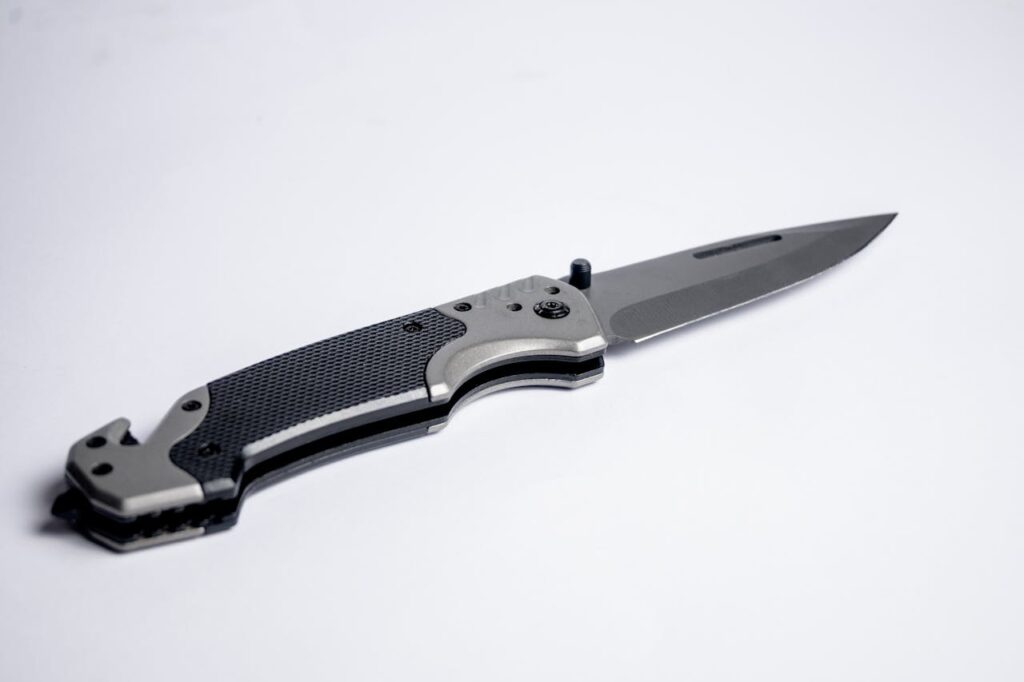
If you are looking for your first EDC blade, this might be the right choice for you. The average blade length is between 3 and 4 inches. Holding it while doing any task is easy, as it weighs only about 0.3 lbs.
One of my favorite models is the Blur Olive and Black Pocket Knife by Kershaw. It features a 3.4-inches 14C28N stainless steel blade which I have used to process relatively big games like deer and general everyday use.
3. Large EDC knives:
If you want a knife that can do demanding tasks, this might be the right option for you. The average size of these knives are 4 inches and more. The average weight is 0.4 lbs (0.19 kg).
This isn’t recommended if you haven’t used an EDC before. Once you get used to smaller or medium-sized knives, you can move on to this.
An example for a large knife is Spyderco Bow River. It comes with a 4.4-inches 8Cr13MoV stainless steel blade and one of my favorite models from my collection. I’ve used to process big games like Bison, Mountain Goat etc and I’m pretty satisfied with it so far.
Factors to Consider When Picking a Knife
1. Steel
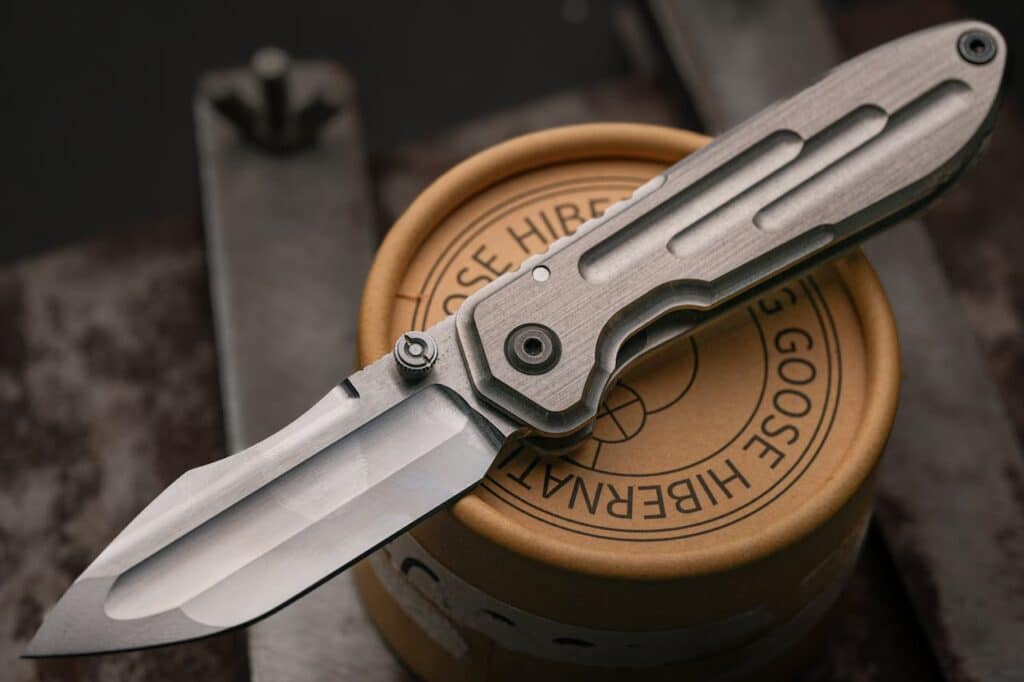
Choosing the right steel is extremely important because it decides the strength, hardness, toughness and edge retention of your knife.
The Popular steel for EDC knives are carbon steel and stainless steel. Both have their advantages and disadvantages.
Carbon steel EDC knives are stronger than stainless ones, but they aren’t rust-resistant, and you need to take care regularly to maintain their blade edge and sharpness.
Stainless steel knives, on the other hand, may not be as strong as carbon steel, but it requires minimal maintenance, is rust-resistant, and durable. For outdoor tasks like hunting, camping, I always prefer this over carbon steel because it stays sharp for a long time and has enough strength for most tasks.
2. Blade Type
I will recommend top 3 EDC blade types from my experience and they are:
1. Drop point
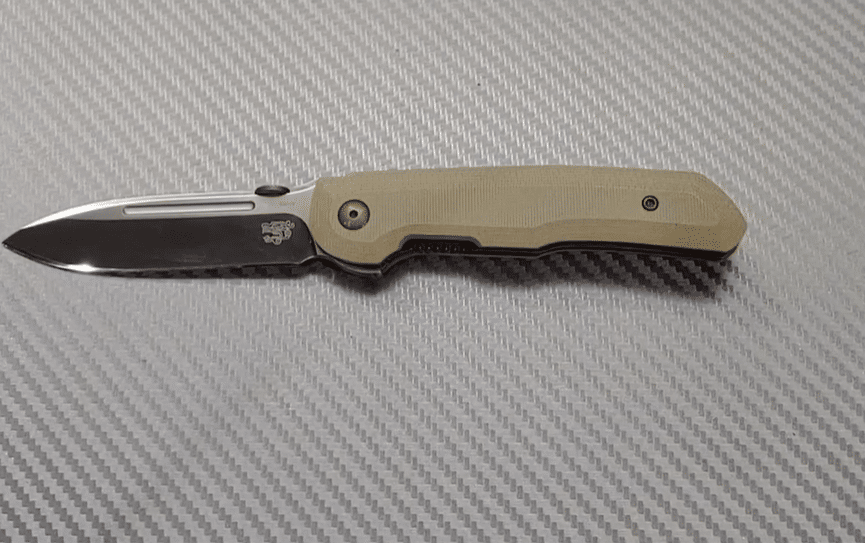
It has a gentle curve on the back edge and the wide belly helps you do slicing and meat processing. For hunting, my first choice is a drop point knife and I own dozens of such knives.
2. Clip point
This design has a blade with straight cut-out on the spine near the tip. Similar to drop point, this blade is suitable for hunting, survival, self-defense, hiking and everyday use.
Recently, I compared a clip point blade with a drop point with their major differences. Give it a read if you want to know about it.
3. Sheepsfoot or Wharncliffe
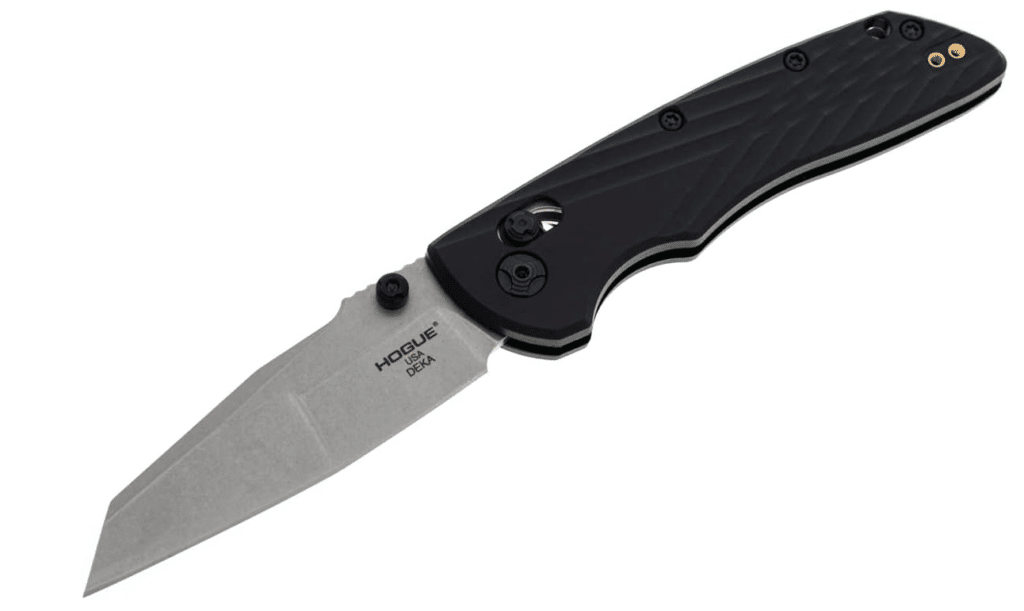
A wharncliffe features a long, piercing tip for maximum cutting performance. However, it’ll have a flat edge with no curve or belly. It doesn’t have the slicing ability.
It can be used for camping, fishing, police, EMTs and firefighters like myself. I own a couple of Wharncliffe and are pretty useful in my job.
The sheepsfoot has a similar design to the wharncliffe but it’ll have a rounded tip instead of a sharp one. I’ve also recently compared these two blades on Knifehelper.
3. Handle Design and Ergonomics
Modern EDC knives come with various handle designs such as split handles and D-Shapes. Always choose a comfortable design.
4. Lock & Deployment
This is how you can open and close a knife.
I recommend you go for simple lock options like the liner locks, as it is easy to use. After a while, you can go with some advanced options like dual thumb studs.
5. Carry Options
With an EDC, you have the option to go for a pocket clip and a sheath, and need to decide which way you like to opt for before getting a knife.
6. Budget
For beginners, I recommend you go with the budget-friendly option and then move on to the high-end models. This is what I did in my early days as an amateur hunter.
You can get a high-quality knife for a $50 budget. Premium models would cost $100 or even more depending upon the brand and the model.
Some of the top brands I would recommend from my experience are: Benchmade, CRKT, Microtech, Spyderco, TOPS, Kershaw, Gerber, LEATHERMAN, Zero Tolerance & Cold Steel.
7. Legal Restrictions
I live in Alaska and I do not have any restrictions on owning or carrying an EDC knife. You must check the law in your region before you get one.
How to maintain an EDC knife
- Sharpen your knife once every two or three months, even if you use it every day.
- Make sure to clean it regularly after use.
- Don’t throw away a wet blade. Always dry it under the sun or air-dry it so it doesn’t get rust.
- If you don’t use it regularly, apply olive oil or vegetable oil to prevent rust on the blades.
FAQs:
1. What’s the point of an EDC knife?
It is built to help you do everyday tasks easily. With this knife, you can slice food, cut ropes, break down a cardboard box, cut unwanted grass in your lawn, cut annoying threads from the shirt and more.
2. Are pocket knives illegal in the US?
No. They are legal in most parts of the country. You need to double-check the law in your region before using them.
3. What size knife is best for an EDC?
A mid-sized knife around 3 to 4 inches is best EDC due to its compact size, versatility and portability.
4. Is an EDC knife worth carrying?
Yes, it is worth carrying to assist you in everyday tasks such as unbox packages, cut fruits, cut twine, open seed packets and its compact size is perfect to keep it in your pocket easily.
5. What does EDC stand for?
It stands for Everyday Carry, referring to items like keys, phones, wallets, knives, flashlights, multi-tools etc.
6. Why do people carry EDC?
People carry it for self-sufficiency, self-defense and to manage their everyday life easier.
Conclusion
Whenever I leave for hunting, I usually carry at least one EDC pocket knife as it weighs less and takes up a tiny space in my kit. I own multiple such knives and utilize them to perform household chores in the kitchen, hiking or even while camping. If you are planning to get a lightweight knife, it is worth giving a shot to an EDC.
If you think I’ve missed any important point, do let me know in the comments and I’ll add them. Cheers!
Hi jamie,
Are pocket knives and EDC knives the same? I just have this question in my mind from a long time. Please clarify. Thank you.
Hi Tyler,
Both are pretty much the same however, there differ slightly. An EDC means what you carry for daily work (using sheath or a clip) whereas a pocket knife refers to the one you can easily place in a pocket and carry it easily. Hope that helps. Cheers!