A few days back I have checking my recent posts and noticed that I’ve missed comparing two popular knives i.e. Sheepsfoot and drop point. I’ve owned both of these blades for close to 2 decades and used them for specific tasks. I know their ins and outs so I thought why not publish a post to make people aware about who don’t know about them yet.
Whenever we go hunting, many of my friends still debate which one of them is better and today, I would like to share my thoughts on which one of them would be suitable for you. Just stick with me for a couple of minutes and you’ll know about it.
What is a Sheepsfoot blade?
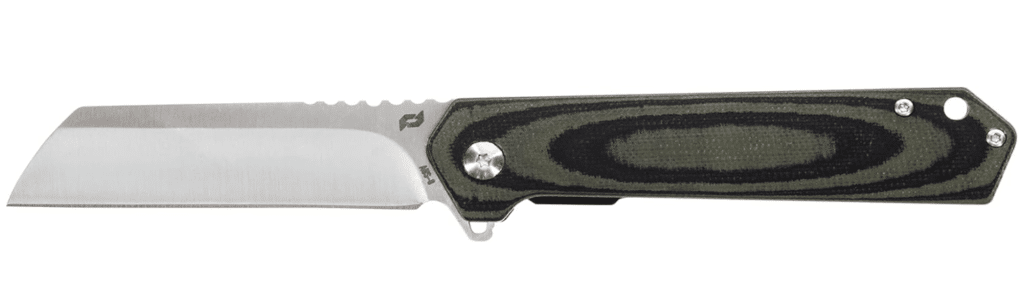
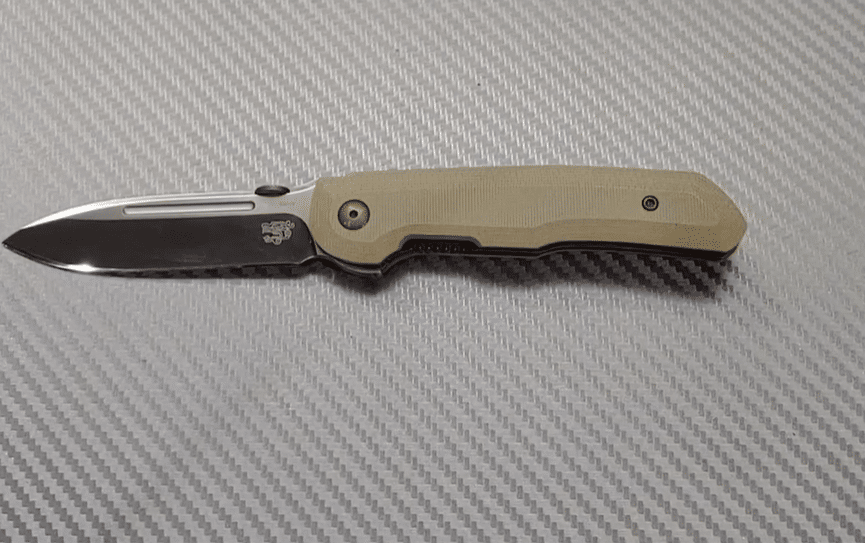
This blade features a straight edge and thick spine that abruptly creates a steeply dropped tip. It has been designed to avoid accidental punctures and piercing.
As the name suggests, the blade was primarily designed for sheep’s hoof and that’s why it doesn’t have a sharp point as it may accidentally cut the animal which would be dangerous. My father owned a lot of sheepsfoot blades and used to cut the sheep’s hoof in his farm when I was a kid and at that time, I wasn’t aware why my dad used this specific blade. When my turn came after I became an adult, that’s when I got to know it.
The blade was popular among sailors to get rid of wet ropes because they didn’t want a sharp-pointed knife.
How do I use it?
1. EDC
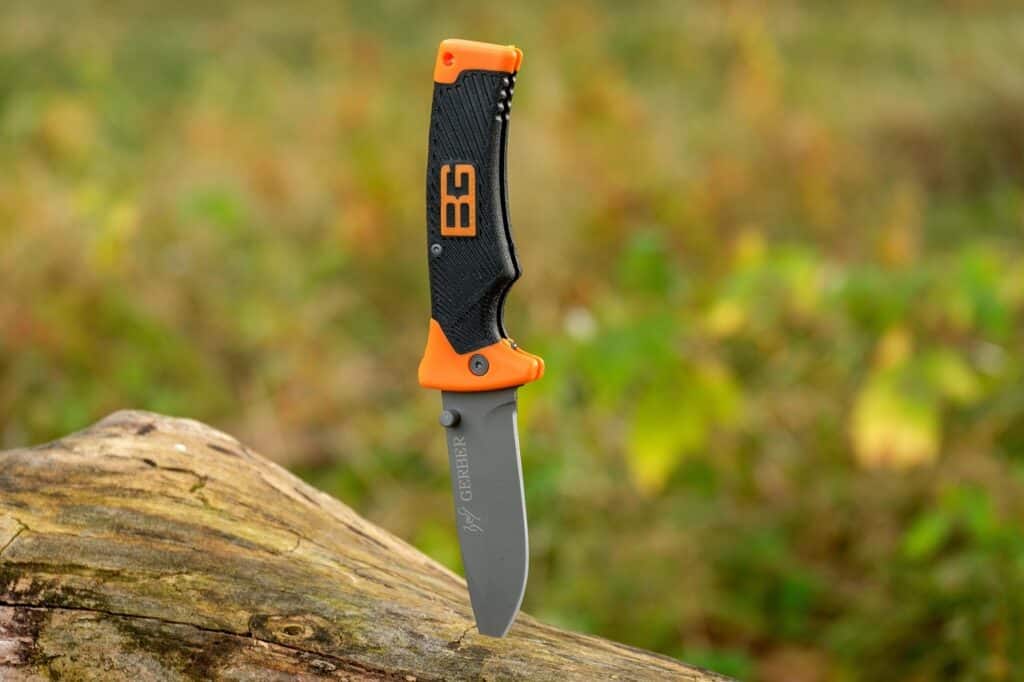
I’ve used this blade regularly for various everyday tasks such as;
- Removing a seatbelt during an emergency.
- Cutting delivery packages
- Cutting unwanted grass from our backyard
- Cutting fruits or vegetables
- Cutting ropes.
The straight edge of the blade lets me do these tasks effortlessly.
As a firefighter, I have to carry a knife all the time and I’ve used this blade multiple times because of the safety it provides. The reason is its less piercing ability, it helps protect myself from getting injured.
2. Precise cutting
The steeply dropped tip makes this blade an excellent choice for precise tasks such as;
- Removing meat from the bone.
- Cutting raw meat.
- Chopping, slicing and mincing.
Even though I have a separate knife set for kitchen tasks, when I’m carrying this blade in my pocket and in a bit of a hurry, I use this blade for some tasks.
Pros
- Perfect EDC companion.
- Makes precise cutting easy.
- Safe to carry
- Legal in most parts of the U.S
- High-strength and durability.
Cons
- Not suitable for piercing.
- Less versatile.
I’m a big fan of this blade and one of my favorite models is the Kizer Sheepdog. It features a 3.9-inch blade with 14C28N steel. Many of my friends own this knife and if someone doesn’t like it, I recommend good alternatives like COLD STEEL Tuff Lite and Kershaw Wharf.
Is it the same as Wharncliffe?
No, it isn’t; however, both of them have similar geometry. The major difference between these two blades is, sheepsfoot feature a thicker spine to form a rounded point whereas the wharncliffe will have a thinner spine and a sharp-point. I’ve compared these two blades here. Check them out if you are interested.
What is a drop point knife?
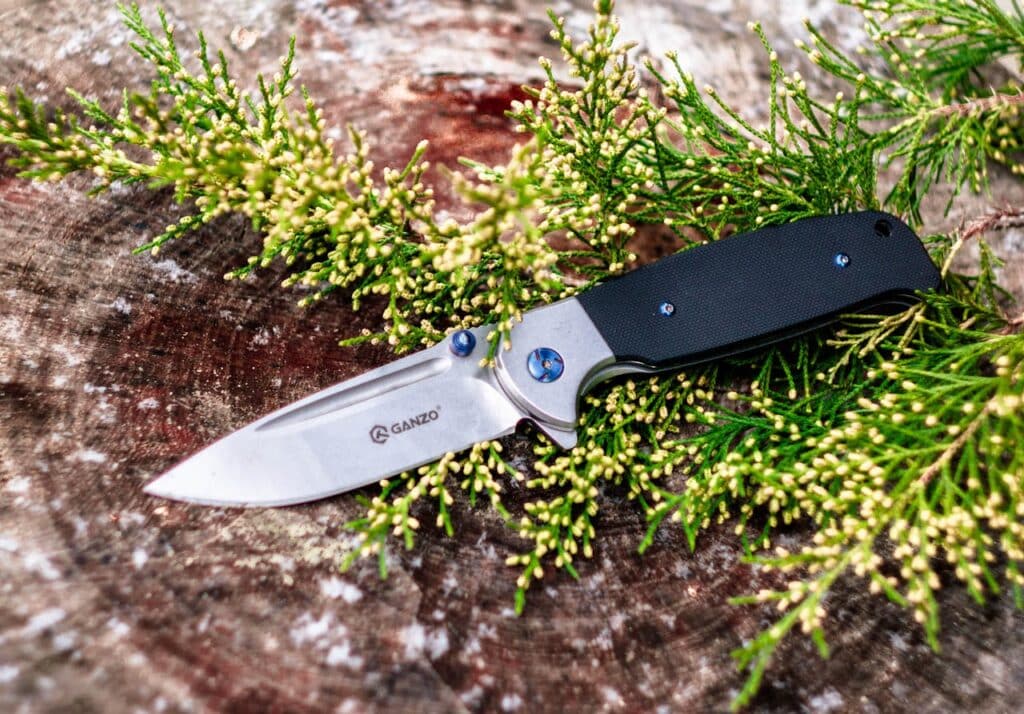
This blade features a thick and curved belly and the spine tapers towards the tip gradually. The profile of the blade makes it an excellent choice for outdoor activities because of its effortlessly cutting and slicing ability.
The spinal part of the blade will be unsharpened and can be used for heavy-duty tasks as it has great resistance. Unlike the sheepsfoot, this blade has great slicing ability mainly due to its curved belly and this makes my job slicing and cutting much easier.
How do I use drop point blades?
1. Hunting
I go hunting regularly and my first preference is a drop point knife. The thick belly lets me various tasks such as:
- Field dressing.
- Skinning.
- Butchering.
- Detailed cutting.
- Quartering.
- Caping.
I’ve used this blade for various games like Blacktail deer, sheep and Black Bear. The blade profile helps me process games effortlessly.
2. Camping & Surviving
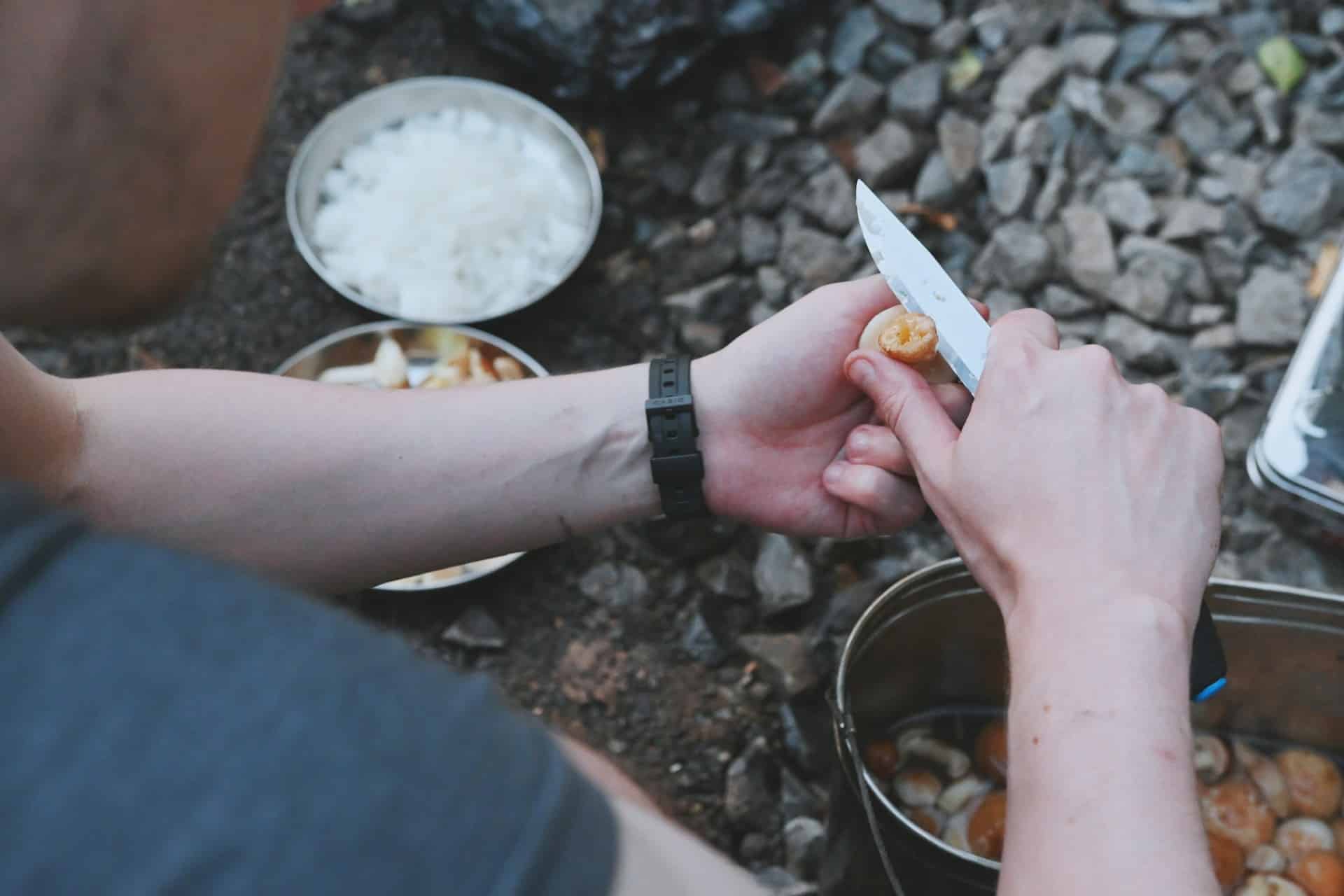
I go for camping every few months and this blade has helped me perform many essential and survival tasks like:
- Building a shelter.
- Prepare food.
- Cut ropes.
- Batoning.
- Clearing the site.
- First aid.
- Start a fire.
- Whittling and carving.
3. EDC
Due to the versatility of a drop point, I’ve carried this blade more for my firefighting duty and to perform general every day tasks. Just like the sheepsfoot, the drop point also avoids the accidental puncture and it is one of the key reasons I like this blade.
4. Crafting
I’ve created Pop-out Swing Cards, Clay Flower Ring, Cupcake Bath Bombs and many other crafts using these blades. I’m not a big fan of crafting but I do it when I’m bored and this is my preferred blade for this task.
Pros
- Provides excellent control while slicing or performing any detailed work.
- The robust tip can perform heavy duty tasks.
- Suitable blade for hunters, campers, survivalist or EDC.
- The blade profile prevents accidental punctures.
- Easy to sharpen
Cons
- Less piercing ability.
- Some models might be bulky and heavy.
The wide range of tasks it is capable of performing is unmatchable compared to other blades including sheepsfoot, Tanto, clip point or a spear point.
I own dozens of these blades and one of my favorite ones is Spyderco Native 5. For those who want an affordable option, I suggest Kershaw Covalent and for premium models, I always recommend Benchmade Bugout.
FAQs
1. What is a sheepsfoot blade good for?
This blade is a great choice for controlled cutting and general everyday tasks such as cutting leather patterns, cutting ropes, food preparation, opening packages etc.
2. What is a drop point knife good for?
The main strength of a drop point blade is its slicing ability. The thick and curved belly makes the job so much easier compared to other blades.
It is suitable for slicing tasks mainly due to its thick and curved belly. Due to this, it is the preferred choice for hunting, camping, surviving outdoors and hiking.
3. Are sheepsfoot blades good for beginners?
Yes. The design of the blade reduces the chances of stabbing yourself which makes the blade beginner-friendly.
4. Why is it called a sheepsfoot blade?
It was primarily used to trim and remove the sheep’s hoof and it is the main reason behind the name of this blade. The farmers needed a reliable tool for this task and they used it specifically for this task.
5. What are the best sheepsfoot knives?
In a budget-friendly category, the best blade I would recommend from my experience is, Kizer Drop Bear. It features a 2.6-inch blade, AEB L steel and G10 handle. I’ve used it for EDC, firefighting etc and does a fine job. In the premium category, I recommend the
The best options from my experience are; Kizer Drop Bear and Benchmade Undercurrent. The first one is a budget-friendly option and the latter is a premium model with high-quality materials.
6. Are sheepsfoot blades good for hunters?
Due to its geometry, it isn’t recommended for hunters because it can’t perform tasks like game processing and skinning.
My Opinion
If you want a knife for everyday tasks like preparing food, opening packages, cutting wires or ropes, removing splinters or general utility work, I would recommend you get a drop point blade. The curved belly possesses the ability to slice any food, ingredient or an item effortlessly and the unsharpened spine is built strong for powerful tasks without breaking the blade. If you see me anytime outdoors with a knife, it’ll most probably be a drop point knife as it is my go to choice for most outdoor tasks.
If you want a blade that reduces the chances of puncturing and is able to perform general utility tasks like cutting or slicing food, precise and controlled cutting with great strength and high-durability, you must pick the sheepsfoot blade. This blade can protect yourself from getting injured just like it has the same for me on numerous occasions.
If you have any questions or suggestions, please let me know in the comments and I’ll get back to you shortly. Cheers!