
Whether I’m on firefighting duty, hunting, cooking, or doing every day tasks in my home, pocket knives play a crucial part in my life. I use these blades for skinning/ field dressing of small games, cutting bandages, cutting seat belts etc. After using them for a while, it gets dust, rust etc which I don’t like at all.
Whenever I get a day off and have some leisure time, the first thing I do is clean those knives. Today, I would like to share the top 7 methods I follow to clean my knives and you can follow the same for effective results.
1. Use a cloth, water and Isopropyl Alcohol
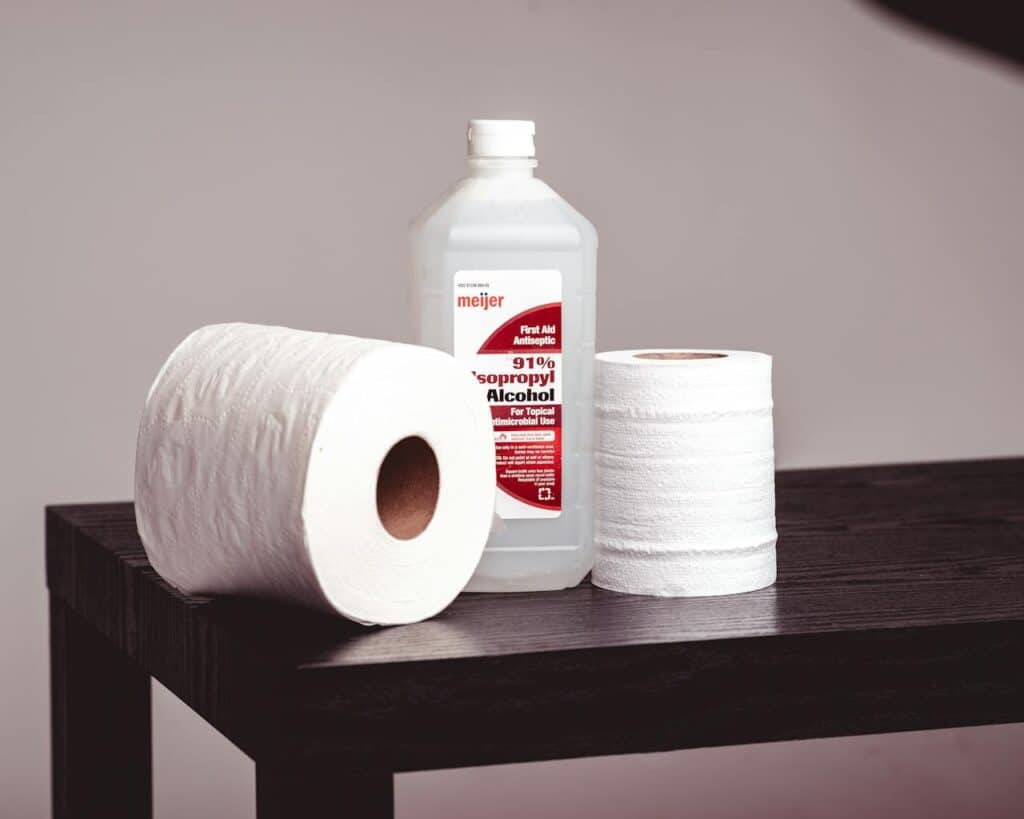
This is the first method I follow when I want to clean a pocket knife and in most cases, it gets the job done
Step 1: Use a clean cloth to wipe everything from the knife. If you haven’t been using it for a long time or cut foods that stick to the blade, this would be enough. Use a compressed air to wipe the dust off from the pivot and the handle.
Step 2: If the dirt is still there, get a lukewarm water in a small bowl and put the knife in it for a couple of minutes. Take the knife out and use a small towel or a cleaning cloth to dry it thoroughly.
Step 3: If there are any stubborn substances, use Isopropyl Alcohol and gently wash to remove them. Don’t forget to dry the knife properly after this step, too.
2. White Vinegar
I own dozens of pocket knives and some of them go unused for some time. For those ones, I use white vinegar to clean them.
Vinegar contains acetic acid, a powerful chemical that helps remove the rust and could be the perfect choice to clean your pocket knife.
Get a clean towel or a small cloth, drop white vinegar on it, and then apply it directly to the blade where the dust or rust is present. Leave your knife for a couple of minutes to absorb the vinegar.
Now, use a sponge to remove dust/ rust, wash with water, and dry it with another cloth.
3. Baking Soda
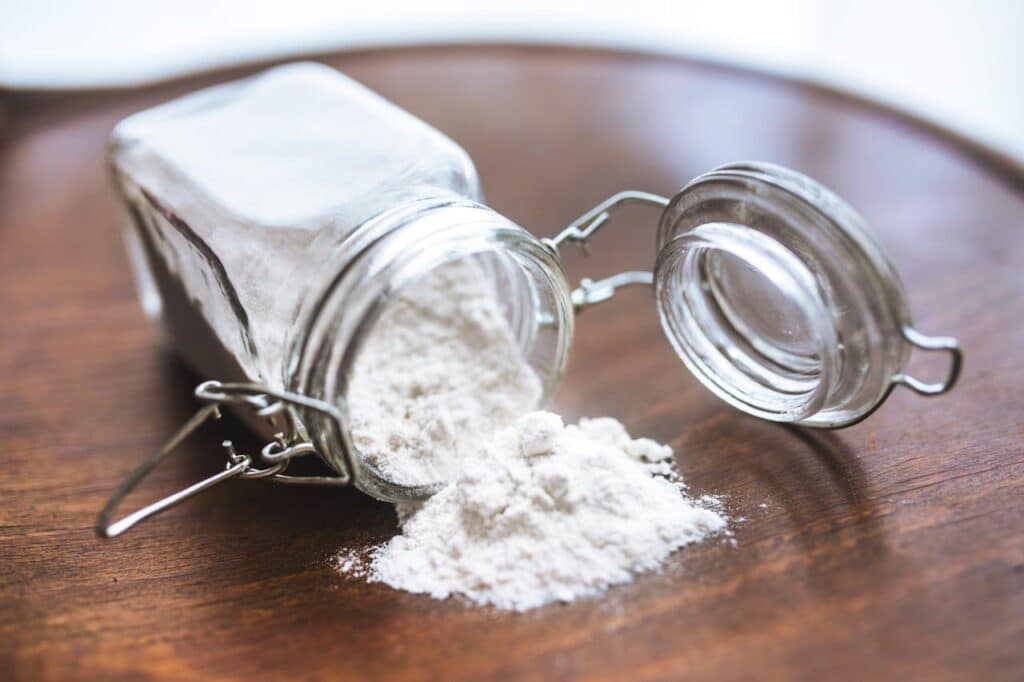
Due to the leavening properties of baking soda, I use it to clean my carbon steel knives.
Make a paste with one spoon of baking soda and the right amount of water, and apply it to the knife. If there is rust on the knife, leave it just like this overnight.
Clean it with water the next day and dry it thoroughly. If there is just dust or other debris, leaving it for a couple of hours would be just fine.
4. Steel Wool
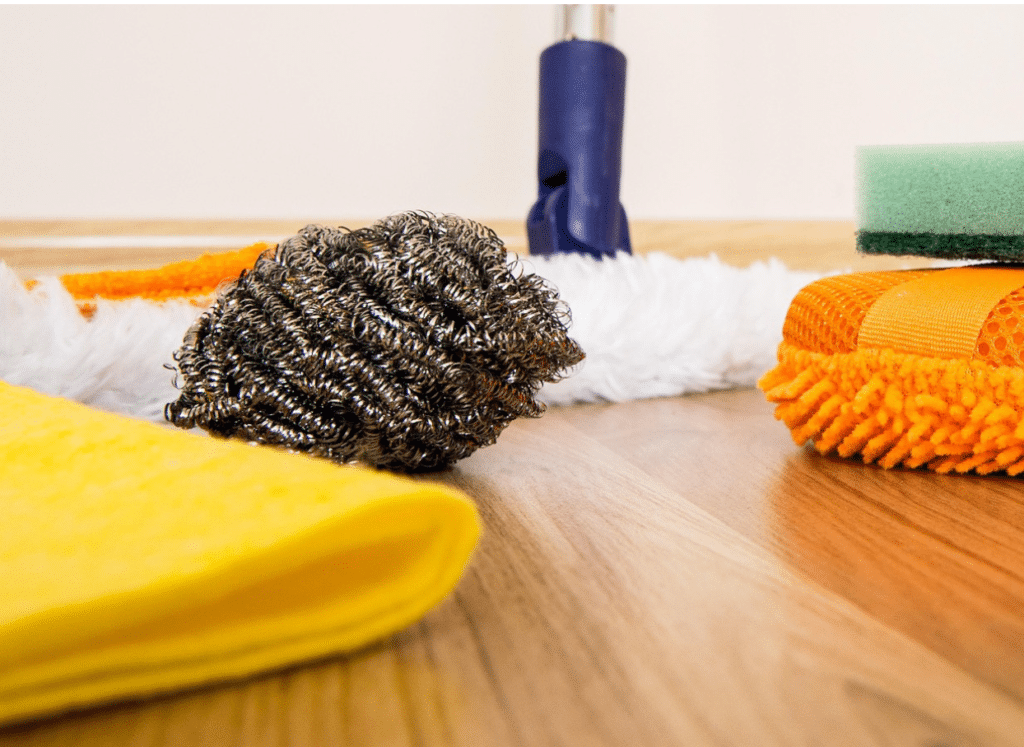
In some cases, baking soda alone doesn’t help while trying to remove the residue from the blade and I use it by applying its paste on a steel tool.
After applying it, I leave it for a couple of minutes. I don’t leave it for too long with the paste because it’ll get rusty.
At last, I scrub the knife with the paste and rinse it off.
5. Salt and Lemon
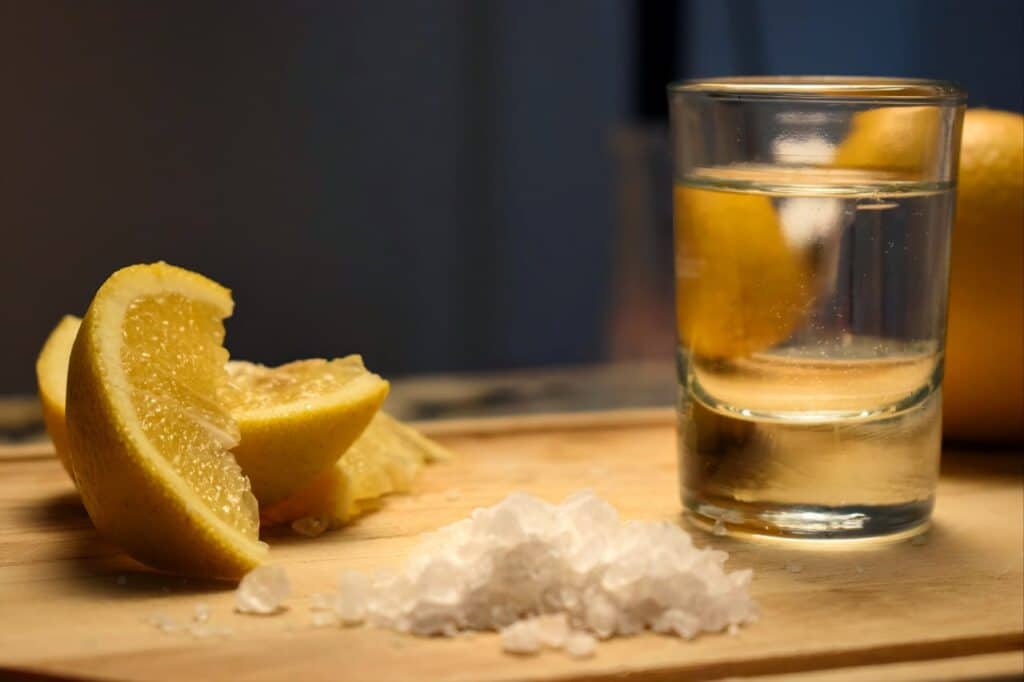
If I haven’t used a particular knife for a really long time like a year or two, it forms rust, dust etc and they aren’t easy to get rid off. In such conditions, I use these two things to clean my knife.
The citric acid in lemon and abrasiveness of the salt helps remove the rust/ dust of the blade.
Pour some lemon juice and the salt into your pocket knife’s blade and leave them as it is for a couple of minutes. Use fingers to spread the salt, scrub it, and then rinse it properly. Once done, dry the knife to ensure there is no moisture left.
6. Clean your Knife with a Complete Tool Set
Every couple of months, I clean my knives thoroughly by disassembling them which I haven’t been taking care of for a long time. You can follow this process if you have such knives.
Be sure to check the warranty before disassembling the knife, as this may void it. You can also contact the manufacturer to get clarity on this.
Here’s what you need:
- A screwdriver.
- A cleaning cloth.
- Dish soap.
- Old toothbrush.
- Cotton swabs.
- Toothpicks.
- A lube.
Step 1: Use the cloth to get rid of the dirt and sand from the outside thoroughly. If your blade isn’t very dirty, this might be enough for you. If not, follow the next steps.
Step 2: Apply the dish soap all over the pocket knife and use the cleaning cloth to dry it.
Step 3: Use the old toothbrush and cotton swabs to clean the big spots and toothpicks for any tiny spots.
Step 4: Disassemble your pocket knife carefully.
Step 5: Use a small bowl to place the hardware items, like screws, so it doesn’t get misplaced.
Step 6: Once you disassemble all the parts, again apply the soap dispenser on each part, use a toothbrush, cotton swabs, and toothpicks to clean them.
Step 7: Take the small hardware you have put on the bowl and clean it If they are dirty.
Step 8: Give some time to dry all parts of the knife and then start assembling it in the reverse order. Don’t tighten the screws too tightly until you are 100% sure everything has been done properly.
Step 9: Put some lube in the pivot area of the knife to ensure it opens smoothly, and that’s it.
Here is the video that explains this process with more details.
FAQs
1. Can I use olive oil on my pocket knife?
For temporary use, you can use it, however, I won’t recommend it for long term use because the oil will go rancid after a certain period that could easily cause corrosion. Always go with options like mineral oil or manufacturer recommendations for the long term purpose.
2. What not to use a pocket knife for?
Don’t use it for prying or hammering tasks or use it as a screwdriver.
3. Is it better to wash knives by hand or dishwasher?
It is always recommended to wash them by hand as dishwashers could easily dull the blades.
4. Can you clean a pocket knife with rubbing alcohol?
Yes, you can use the Isopropyl Alcohol to clean your knives and make sure to dry them before using them.
5. Is WD-40 good for pocket knives?
No, it isn’t recommended because it attracts dirt, dust and similar particles in the blade and may damage the blade and reduce its lifespan.
6. What is the safest way to clean a knife?
The safest way to clean your knife is, using a soft cloth and dish soap. They don’t harm blades. I’ve used this method over the last few years and it delivers excellent results.
Assess your knife’s condition
Assess the condition of your blade before you start to clean because it’ll help you decide which method would be provided you effective results.
I clean my pocket knives with just basic household items like water, alcohol and a cloth as I do it regularly; however, not everyone will be like me who uses the knife quite often.
If you haven’t taken care of your pocket knife for a while, I suggest you go with a complete tool set as it thoroughly cleans the knife both inside and the outside.
If you have any questions regarding this process, I’m more than happy to answer them. Cheers!


Hey Jamie,
Could you please clarify how often do I have to sharpen my pocket knives? Thank you.
Hi Noah,
It depends on your usage. If you are using it once a week, cleaning it in a couple of months would be fine. If you are using more than that, cleaning once a month would work. Thanks.