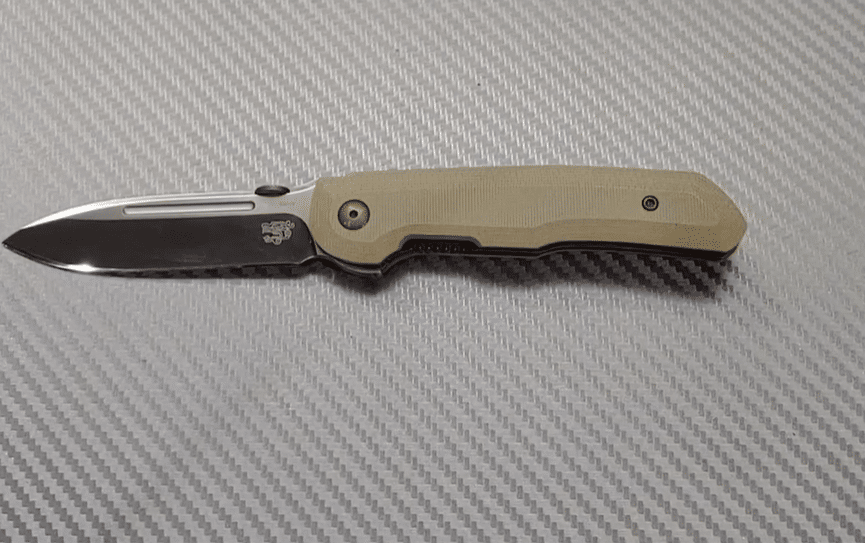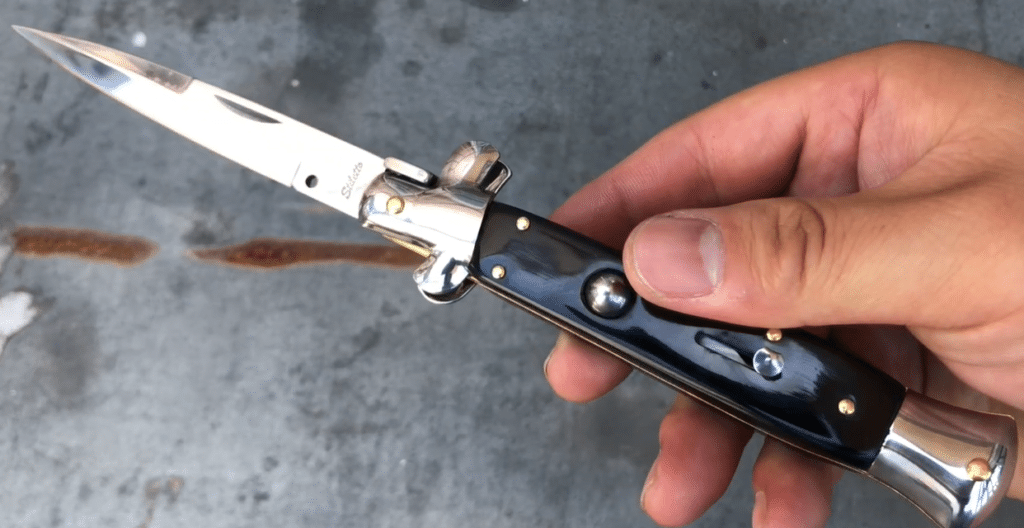
If there is one tool that can help me survive If I get lost in the jungle or any isolated place, it would be the survival knife. My military has taught me the importance of this knife since I was a kid and it has helped me on multiple occasions.
Apart from hunting, I go hiking, camping, backpacking etc and I make sure I carry this knife to protect myself in dangerous situations. I’ve been following this thing since I was a teenager and today, I’ll discuss what this knife is about and share its benefits.
What is a survival knife?
A type of knife with a long, broad and robust blade designed to use in the wilderness in case of emergency to build a shelter, wood cutting/ carving, trapping, making a fire and preparing food.
Due to its build-quality, this knife can hold up during harsh conditions and act as a temporary tool for survival.
Brief history about this knife
In the 19th century, Webster L. Marble introduced the idea of the “Hunting Knife,” and it was made with heavy blades, crossguard, and pommels. During this period, this knife was used by the military, explorers, and outdoorsmen.
Survival knives were used during WWII for use in aircraft and lifeboats. It was equipped to combat enemies and was purchased in bulk by the military.
Manufacturers like Case and Cattaraugus created their own hunting knives and eventually, the concept of a “survival knife” was born. The modern design of this knife is quite different from the initial days.
What makes a good survival knife?
1. Steel
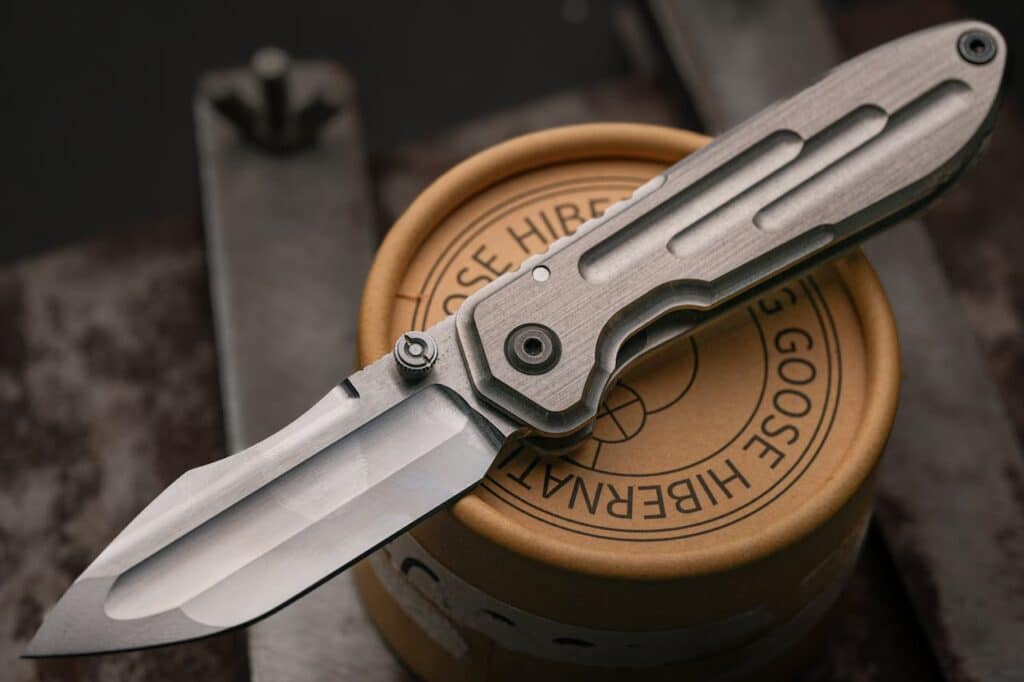
The are two main steels you’ll find on any knife i.e., Stainless steel and Carbon steel.
Stainless steel retains a sharp edge, is rust & corrosion resistant, and easy to maintain. However, sharpening this steel is a time consuming task due to its abrasive nature. It is a popular choice among the outdoorsmen for these capabilities.
Carbon steel, on the other hand, provides more sharpness than stainless steel, but they are prone to rust and corrosion. With the right tools, you can easily sharpen it whenever the blade gets dull.
For surviving outdoors, I prefer stainless steel rather than carbon steel as its properties are suitable for my situation. I own several knives and one of my favorite ones is, KA-BAR Becker BK2.
2. Blade Shape
Common blade shapes for this knife are “drop point” and “tanto”. With these shapes, you can perform most survival tasks.
Other popular blade shapes are “clip point,” which is suitable for piercing, while the “bowie” is a good choice for chopping and carving.
3. Grind
The blade grind determines the cutting properties and performance of a knife. There are many grind types, such as flat, scandi, hollow, convex, compound, and chisel.
For pure strength & performance, I go for the flat grind and hollow grind for sharpness.
4. Handle Material
The handle should be comfortable to grip, and it should hold up during unexpected weather conditions.
To resist harsh conditions, opt for synthetic materials like G10 or Micarta, as they are lightweight, durable, and provide a secure grip.
Wooden handles provide a comfortable grip and are aesthetically pleasing, but they aren’t easy to maintain and can’t withstand harsh conditions.
Metal handles on survival knives made out of aluminum or stainless steel look good to the eye, but they are heavy to carry and their grip isn’t firm.
5. Handle Shape
The best shapes from my experience are arch, D-shape and Octagonal. You can select any one of them based on your needs.
Who can use a survival knife?
Survival knives can be used by:
- Hunters.
- Hikers.
- Outdoorsmen.
- Doctors or Nurses.
- Campers.
- Explorers.
- Survival enthusiasts.
- Adventurers.
What is a survival knife used for?
1. Food Processing
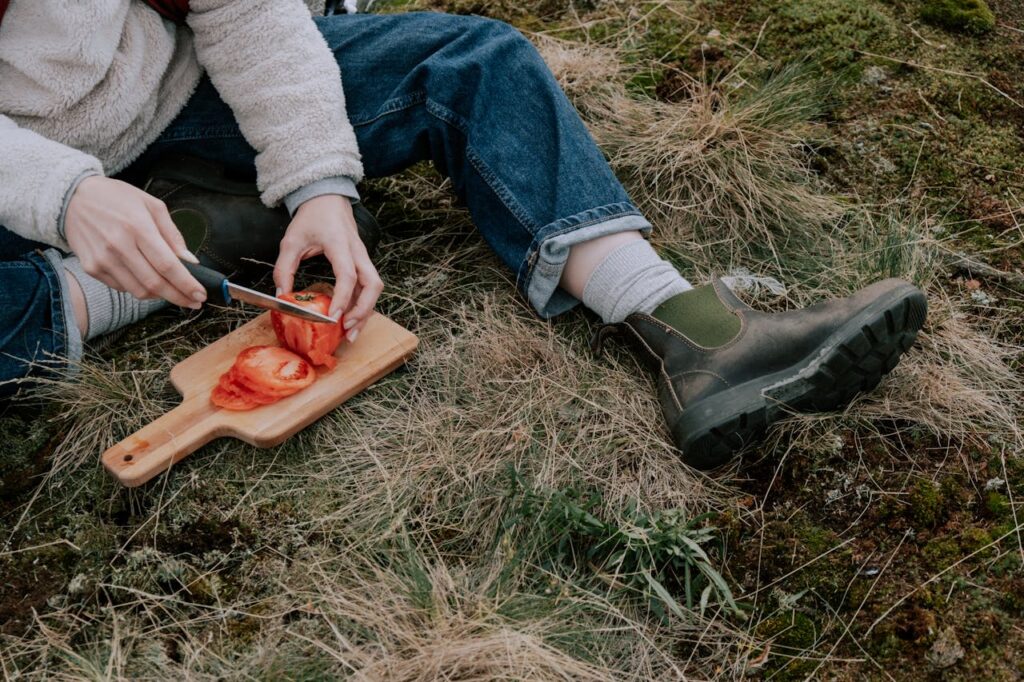
To prepare food while surviving outdoors, you can use this knife to slice vegetables, cut meat or fish. You can also perform skinning of deer or elk with this knife.
2. Use as a Weapon:
A survival knife is an excellent tool for self-defense in an emergency. I’ve used the sharp blade to stab the attacker and the handle to deliver a powerful blow multiple times.
You can use this knife when you come across any dangerous wild animals, like a mountain lion or a bear.
3. First Aid
Having a first-aid kit is a basic thing for survival, and a survival knife can assist you on this task. You can use this knife to cut bandages, clothing, and remove splinters.
4. Shelter-making
This is a versatile tool for building a shelter in the wilderness. Use the blade to cut branches and saplings to create a roof for the shelter. The sharp point can be used to pierce bark and leaves to create walls and a roof. Making a shelter without a knife is a very difficult task outdoors.
5. Starting a Fire
This knife is also capable of starting a fire. Use the knife to remove the bark from the trees or chop the dead branches. Once you have the things ready to start the fire, use the 90-degree spine of the knife to start the fire.
6. Cutting Through Bushes
Going through or staying near bushes while surviving outdoors is common, and a survival knife can help you in that situation. It is capable of cutting through thick vegetation, and doing this can clear your campsite.
7. Making Tools
With this knife, you can also create other survival tools, like crafting spears and traps.
How to choose the right survival knife
- Purpose: It can be used during camping, hiking, hunting, etc. You need to decide the purpose before getting one.
- Blade Type: For durable usage, opt for fixed blade survival knives, and for portability, go with the folding knives.
- Blade Length: An ideal blade length for a survival knife is 4-6 inches to perform most tasks. To do an intricate task, a 2-inch blade would be just fine.
How much does a survival knife cost?
An entry-level knife would cost anywhere between $20-$40. For a high-end model, you’ll need to spend $100 or more.
How to maintain a survival knife
1. Cleaning:
Use a safe scrubber, pour some water and soap to clean the knife once in a while. Doing this will get rid of the tree bark, tape, or any other substances, and you can use the knife for the long term.
2. Sharpening:
Sharpening is one of the most effective ways to keep the sharpness of any knife to perform a task anytime. You just need a sharpening stone, sharpening steel rod or a dedicated sharpening system.
I use a whetstone and it sharpens the knife easily. You can also use it to do the same. You just need to learn about the right angle to do it.
FAQs
1. What is the difference between a survival knife and a hunting knife?
The purpose of a survival knife is to help you in emergency situations to build a shelter, start a fire, self-defense whereas a hunting knife is specifically built to assist in hunting tasks such as skinning and game processing.
2. Can a Bushcraft knife be used for hunting?
Yes, it can be used for hunting tasks like skinning and processing small games.
3. What is a survival knife used for?
It can be used to build a shelter, foraging, fishing, starting a fire, trapping, skinning, wood carving, preparing food and as a first aid kit during emergencies.
4. What is the difference between a survival knife and a tactical knife?
Tactical knives are designed to perform heavy duty tasks in the military environment and as a tool in a battlefield. The purpose of a survival knife is to perform survival activities like building a shelter, starting a fire, wood cutting etc.
5. What to look for in a survival knife?
It should be made of easy to sharpen steel like carbon steel and the blade should have flat or convex edges to perform woodcraft activities.
Conclusion:
Having this knife while surviving outdoors could help you in many ways, and I can’t think how many times it has helped save you from dangerous situations.
If you think I may have missed any important point about the survival knife, I would love to hear it from you in the comments. Thanks.