My first experience with knives was with hunting and outdoor knives. When I was learning about handles, I was hearing two names consistently from my dad, G10 and Micarta. I inquired about it and spent some time to help me understand the differences between them. I see a lot of people in our hunting and camping community aren’t familiar with these names, and I wanted to help those who have some confusion between them.
In this guide, I would like to discuss their differences and help you decide which one would be better for you.
What is Micarta?
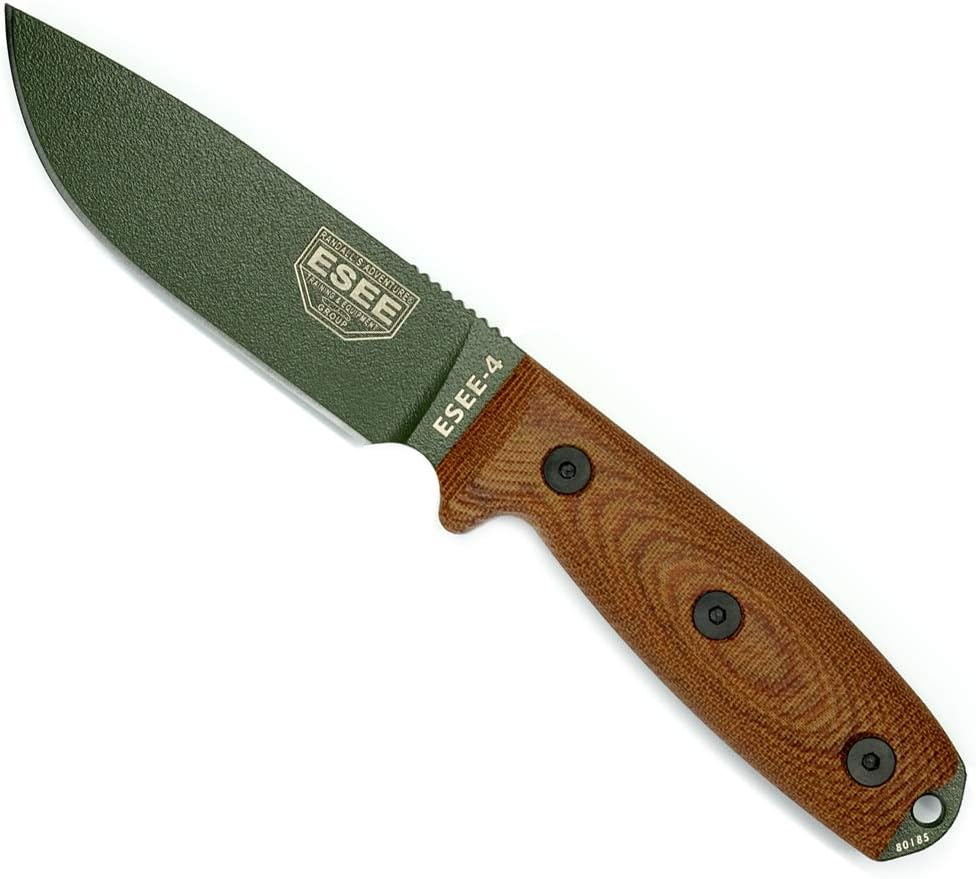
It is a composite material made with layers of organic materials like canvas, linen, burlap, or paper, along with phenolic resin or epoxy resin. They are heat-treated to form a dense phenolic laminate.
Micarta is a trade name combining these organic materials, and it was invented in the 1910s by George Westinghouse and intended to be used mainly for electronic devices. Later on, it was adopted in knives due to its versatility. Today, the company that owns the patent is Norplex‑Micarta.
The organic materials in Micarta make it warm in hand, and the textured surface provides excellent grip even in wet conditions, which isn’t the case with most synthetic materials. You can get these handles with limited color options like Dark Brown, Desert Tan, etc., due to their use of organic fabrics.
After using it for a while, it gets a unique patina on the handle. This characteristic provides a timeless design and elegant look to any knife. These handles are a good choice for outdoor activities like hunting, survival, or camping; however, they need proper care and maintenance when it comes to harsh weather or contact with salty water.
Pros
- Handles have a timeless design and aesthetics.
- Superior grip in any condition.
- Easy to carry in pockets.
- Doesn’t become brittle over a period of use.
Cons
- Some Micarata may absorb moisture and oil.
- Limited color options.
- Requires maintenance depending on the usage.
My ESEE-4 is a perfect example of this. I bought it 4 years ago for a little above $100, and I’ve mainly used it for EDC, camping, and occasionally for hunting, as it wears out quickly under harsh conditions.
What’s G10?
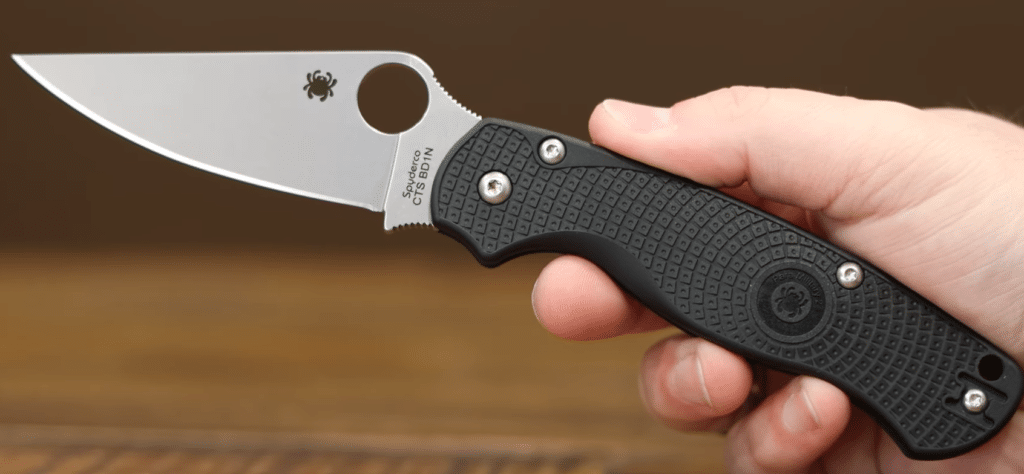
It is made using fiberglass cloth and epoxy resin. It is heat-treated to form a solid and lightweight composite material. It has exceptional tensile strength required for most heavy tasks.
It was invented in the 1950s primarily for electrical insulation due to its excellent dielectric properties. It was later used by the knife makers in the 1980s for its ease of machining and producing various colors and textures. The “G” stands for glass, and the “10” refers to the specific grade in the National Electrical Manufacturers Association (NEMA) scale of laminates.
Unlike Micarta, it doesn’t absorb water and doesn’t swell even after prolonged use. It is one of the commonly used materials in pocket knives, hunting knives, survival knives, and tactical knives. That’s why it has higher durability than Micarta.
Modern G10 knives can be dyed into various colors such as Black, Olive, Tan, Coyote Brown, Charcoal Gray, etc.
What do I like about it?
- It is highly durable compared to Micarta as it doesn’t chip or deteriorate even with UV light exposure.
- The fiberglass and epoxy resin make it non-porous and water-resistant.
- The textured grip is a superb choice for outdoor activities like hunting and survival.
- It’ll have a modern look with multiple color options.
- Needs little to no maintenance at all.
- Easy to manufacture.
What do I dislike about it?
- The textured surface isn’t pocket-friendly.
- It is not easy to replace.
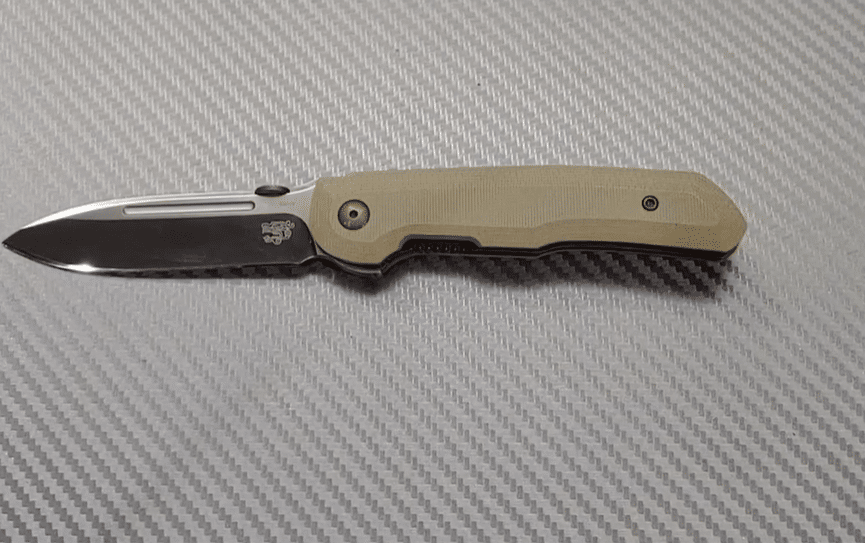
Due to these qualities, G10 knives are my preferred choice for hunting. I own dozens of such canines, and one of my favorite ones among them is Spyderco Para Military 2. It features a Black G-10, and I’ve been using it for over a decade for skinning, field dressing, and caping, and it provides me with a superb grip without any issues. I’ve used it occasionally for outdoor survival, camping, and hiking, and it has been a great companion for me so far.
Which one should you pick?
If you want a handle mainly for hunting, camping, and other outdoor activities, I would suggest going with G10, as it provides high durability with almost zero maintenance. You’ll get multiple colors to choose from with this material, and the machine texture provides you with superior control.
For those who want a classical aesthetic handle, pocket-friendly, superb grip in any condition, and have a special liking for a developed patina, Micarta would be the right choice for them.
FAQs
1. What’s better, G10 or Micarta?
Both of them are good on their own terms. You need to pick the one based on its pros and cons.
G10 is a modern composite material consisting of fiberglass cloth and epoxy resin. This combination resists water and makes the handle highly durable and lightweight. It also comes in various colors like Black, Gray, etc. However, it gets slippery in wet conditions, and replacing it isn’t easy. In most cases, it doesn’t need any maintenance if taken care of properly.
Micarta is a combination of organic fabric materials like canvas, linen, or paper, and epoxy resin. It is a soft composite material that provides superior grip in both wet and dry conditions. It has limited color options and gets patina based on usage. It needs proper maintenance to last longer.
2. How long does Micarta last?
With proper care, it can last for a couple of decades. It is a porous material that absorbs oil, dirt, etc., and it needs regular maintenance for its durability.
3. Is Micarta heavier than G10?
Yes, it is slightly heavier than the G10.
4. Does Micarta crack?
Yes, it can crack under heavy use; however, it is usually durable If it gets regular maintenance.
5. What is the strongest knife handle material?
G10, Micarta, Titanium, and Carbon fiber are some of the strongest materials for durability.