A while back, one of my colleagues was having a bad day back at our fire station because he was struggling with his knife. It was a liner lock knife that was wearing out. I noticed him and handed my ZT 0308 featuring a frame lock, which I’ve been using for more than 5 years, and it works perfectly fine.
After the day’s shift, he inquired about how my knife works so smoothly, even after using it for such a long time, and his knife is getting worn out after just 1.5 years. I had to explain to him that both knives use different locking systems, which play an important role in a knife’s longevity.
In this post, I would like to discuss the difference between these two popular locking systems and which one would be the right choice for you.
What is a liner lock?
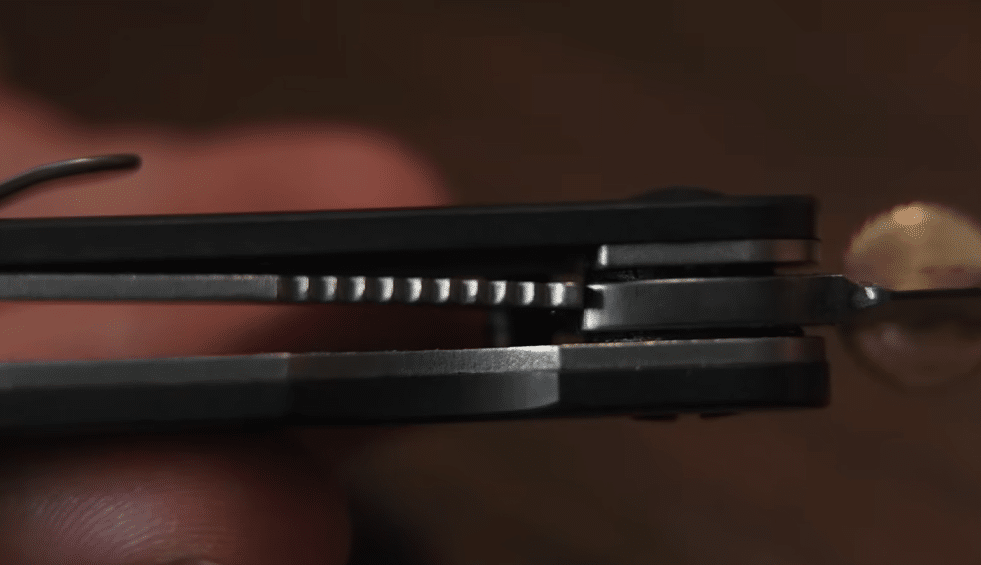
It uses a dedicated liner metal underneath the tang to prevent the knife from closing while operating it. They are located right next to the scale and are made of either steel or titanium.
Knives made with this lock are lightweight, fast and easy to use in one hand. It is one of the most popular and the oldest locking systems used for over a century but it was modernised by Michael Walker with the addition of a detent ball that prevents the blade from opening when it is closed.
They usually come with an affordable price tag however, they aren’t as durable as frame locks because they use a thin liner and it may wear over a period of time.
One thing I like about liner lock knives is, they are symmetrical and will have the same scales on both sides of the knife. They are usually aesthetically balanced compared to frame locks as it’ll have one material on one side and a different material to accommodate the lockbar.
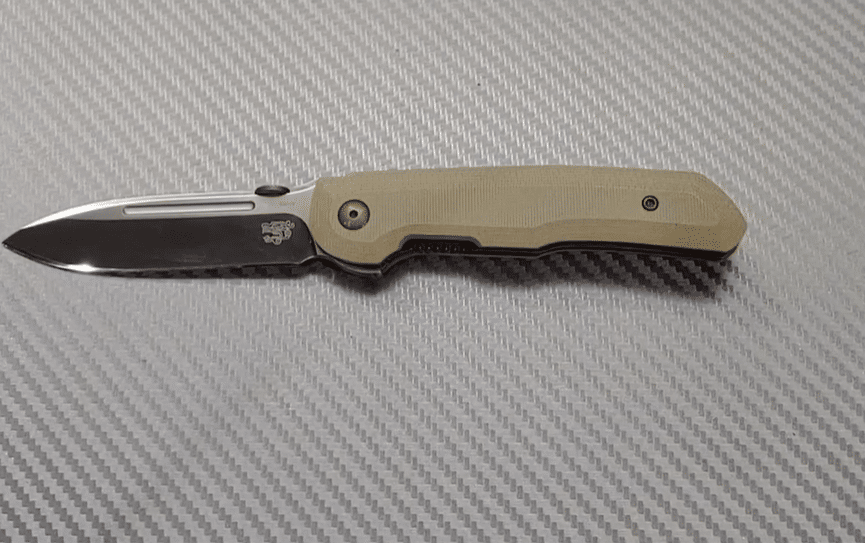
As a firefighter I own a lot of liner lock EDC blades and one of my favorite ones is the CJRB Tundra. It has a 3.7-inch blade and weighs about 7.9 ounces. It costs about $70, and I’ve been using it for the past 3-4 months now with almost no major issues.
It features a separate liner lock system with a G10 handle. The blade deploys quickly on this knife and I’m able to perform various emergency and rescue tasks such as cutting seatbelts, open doors or windows, etc.
Apart from that, I use it regularly for everyday tasks like cutting delivery packages, basic food prep, removing unwanted grass from my backyard and hunting tasks like skinning, caping, etc.
This knife can hold up to 243 pounds, and it would struggle with anything after this limit.
Pros
- They are usually lightweight.
- Easy to deploy in a single hand.
- Affordable pricing.
- Provides aesthetic appeal on handles.
Cons
- Less durable.
- The lock wears over time.
- Not suitable for heavy-duty work.
A Quick Look at a Frame Lock
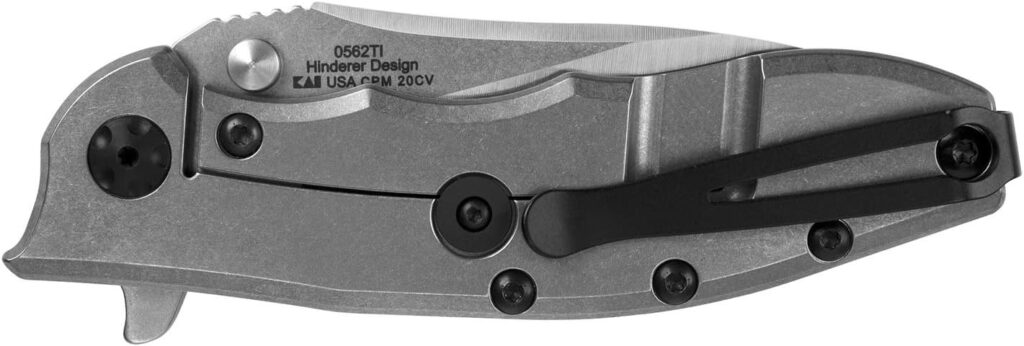
Frame lock is similar to a liner lock however, on this one, the frame of the handle acts as lock instead of a separate liner. It’ll be thicker, broader and heavier than a liner lock. Due to these qualities, it is highly durable.
It is an updated version of the liner lock, which was invented by Chris Reeve in the late 1980s. It is also known as the “Reeve Integral Lock (RIL)”. He did it to replace thin and weaker liner locks and provide high-strength locks for maximum strength and durability. It can hold up to 277 ounces and is super reliable for performing heavy-duty tasks.
My Zero Tolerance 0308 is a perfect example of a frame lock knife featuring G10 on one side of the scale and Titanium on the other side.
As a first responder, the textured scales provide me an excellent grip while wearing gloves however, the only downside is, closing the blade with a single hand is a bit difficult especially for lefties because most frame lock knives are designed for right-handed people.
I use it regularly during my job and slightly heavy demanding hunting tasks such as field dressing and skinning big games, building a shelter etc and I’m pretty happy with it so far.
It costs about $350 and I know it is expensive compared to my CJRB Tundra with a liner lock but most frame lock knives will have similar pricing because they use heavy materials for it and that’s why they are more durable.
Pros
- Extremely durable.
- Strong and highly-reliable for powerful tasks.
- Less likely to wear.
Cons
- May not be suitable for left handed people in many cases.
- It is often more expensive than liner locks.
How to choose the right lock for YOU?
1. Purpose
For everyday tasks such as opening delivery packages, removing splinters, cutting and slicing fruits or vegetables, trimming meat, open seed packets etc, liner line knives would be enough for you.
For demanding tasks such as outdoor construction, surviving outdoors and building a shelter, woodwork etc, always go with the frame lock.
2. The right one for your dominant hand
If you are a right handed user, you can pick either of them however, If you are a leftie, you may have to look for other locking options because you’ll issue deploying and closing the blade.
3. Weight
For a lightweight blade, you can select the liner lock because it is usually thinner and doesn’t add much weight. If you need a heavy knife to perform powerful tasks and have no issues with some extra weight, frame lock would be the best choice for you.
4. Budget
Liner locks are cost effective for the manufacturers and they provide these knives at a much affordable pricing. Frame locks are built using high-quality materials like titanium and are more expensive. You can pick the one which fits in your budget.
FAQs
1. Which is better, frame lock or liner lock?
A frame lock features a thick and strong lock bar suitable for both basic and demanding tasks whereas a liner lock comes with a thin liner built for EDC and lightweight tasks. Both of them are good and it comes to personal preference and purpose while choosing one.
2. Which knife lock is the strongest?
Frame lock is the strongest among various options due to its thick lock bar which can withstand any demanding tasks.
3. Do liner locks wear out?
Yes, it wears it out after a period of use as it features a thin liner which is not very durable.